Updated October 2026
California’s ADU rules changed twice in two years. The 2025 laws opened up multifamily lots and widened amnesty for unpermitted units. The 2026 laws dropped impact fees on small units and narrowed the last owner-occupancy rule.
The short version
- SB 1211 (January 1, 2025): up to 8 detached ADUs on a lot with an existing multifamily building, capped at the existing unit count. No replacement parking when covered or uncovered spaces are removed.
- AB 2533 (January 1, 2025): amnesty now covers ADUs and JADUs built before January 1, 2020.
- SB 543 (January 1, 2026): ADUs of 750 sf or less and JADUs of 500 sf or less pay no development or school impact fees. Size is measured as interior livable space.
- AB 1154 (January 1, 2026): the owner has to live on site only if the JADU shares a bathroom with the main house. JADUs can’t be short-term rentals.
- AB 462 (October 10, 2025): in declared disaster areas, a detached ADU can get its certificate of occupancy before the destroyed main house is rebuilt, if conditions are met.
The 2025 laws
SB 1211 raised the detached-ADU cap on existing multifamily lots from two to eight. A fourplex can add four; a twelve-unit building can add eight. It also ended replacement parking for uncovered spaces, which is where most multifamily lots have room.
AB 2533 moved the amnesty cutoff from 2018 to 2020 and added JADUs. A city can deny legalization only if the fixes are needed to meet state health and safety standards for substandard buildings.
SB 1077 requires the Coastal Commission and HCD to publish guidance on ADU permits in the Coastal Zone by July 1, 2026.
The 2026 laws
SB 543 is the cost change. Units at or under 750 sf skip development and school impact fees. Larger ADUs can still be charged fees proportional to the main house. SB 543 also lets you combine ADU types on one lot, gives cities 15 business days to decide whether an application is complete, and requires a written appeal process.
AB 1154 keeps owner-occupancy only for JADUs that share a bathroom with the main house. Give the JADU its own bathroom and the rule falls away.
SB 9 (2025), not the 2021 lot-split law, voids local ADU ordinances that aren’t sent to HCD within 60 days of adoption, or that HCD finds out of compliance when the city doesn’t respond within 30 days.
What to watch out for
Local codes lag state law. If your city’s ordinance conflicts with these bills, state law controls. Measure carefully: the 750 sf fee line is interior livable space, so wall thickness and exterior storage don’t count against you. And check utility connection charges separately from impact fees.
How we use it
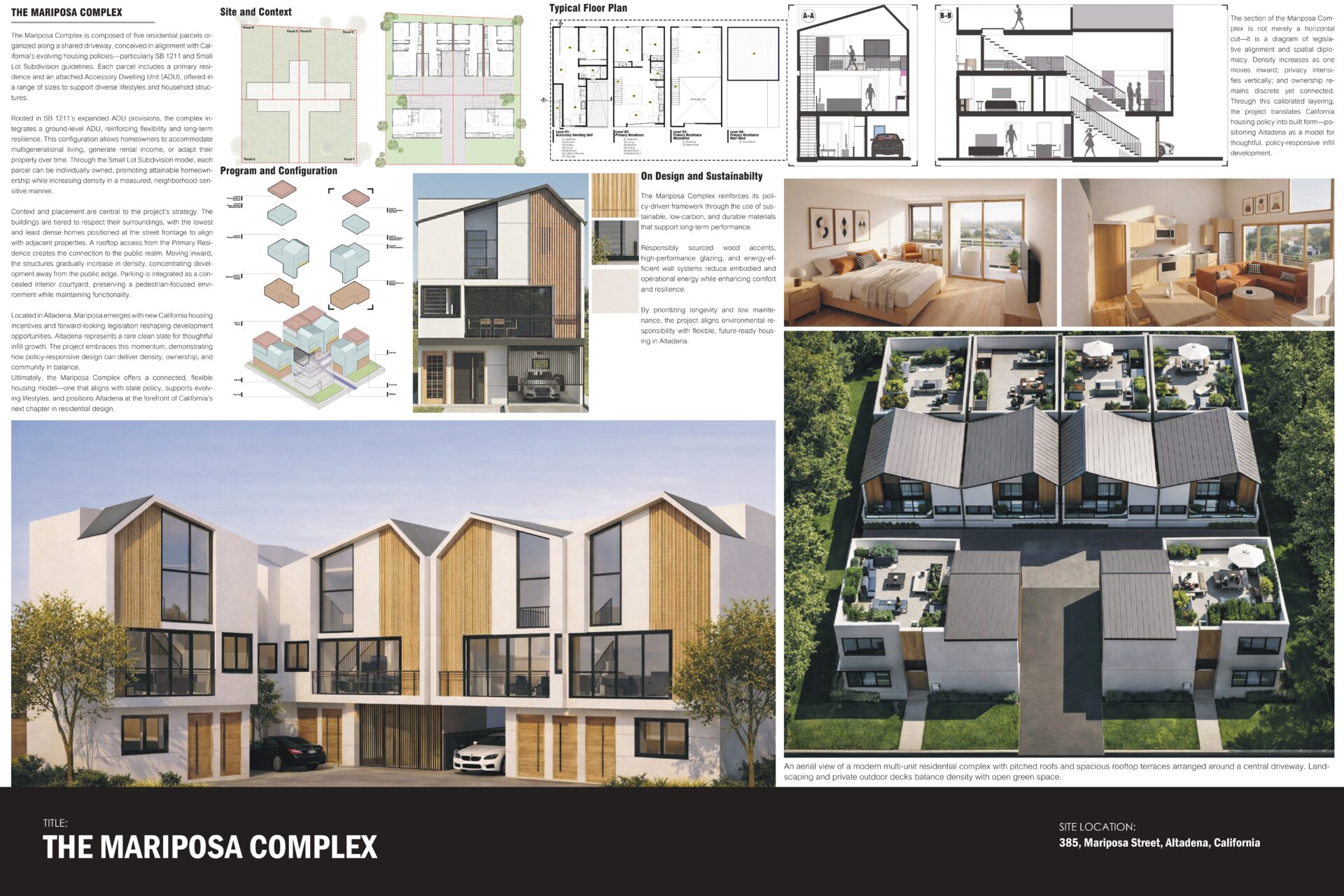
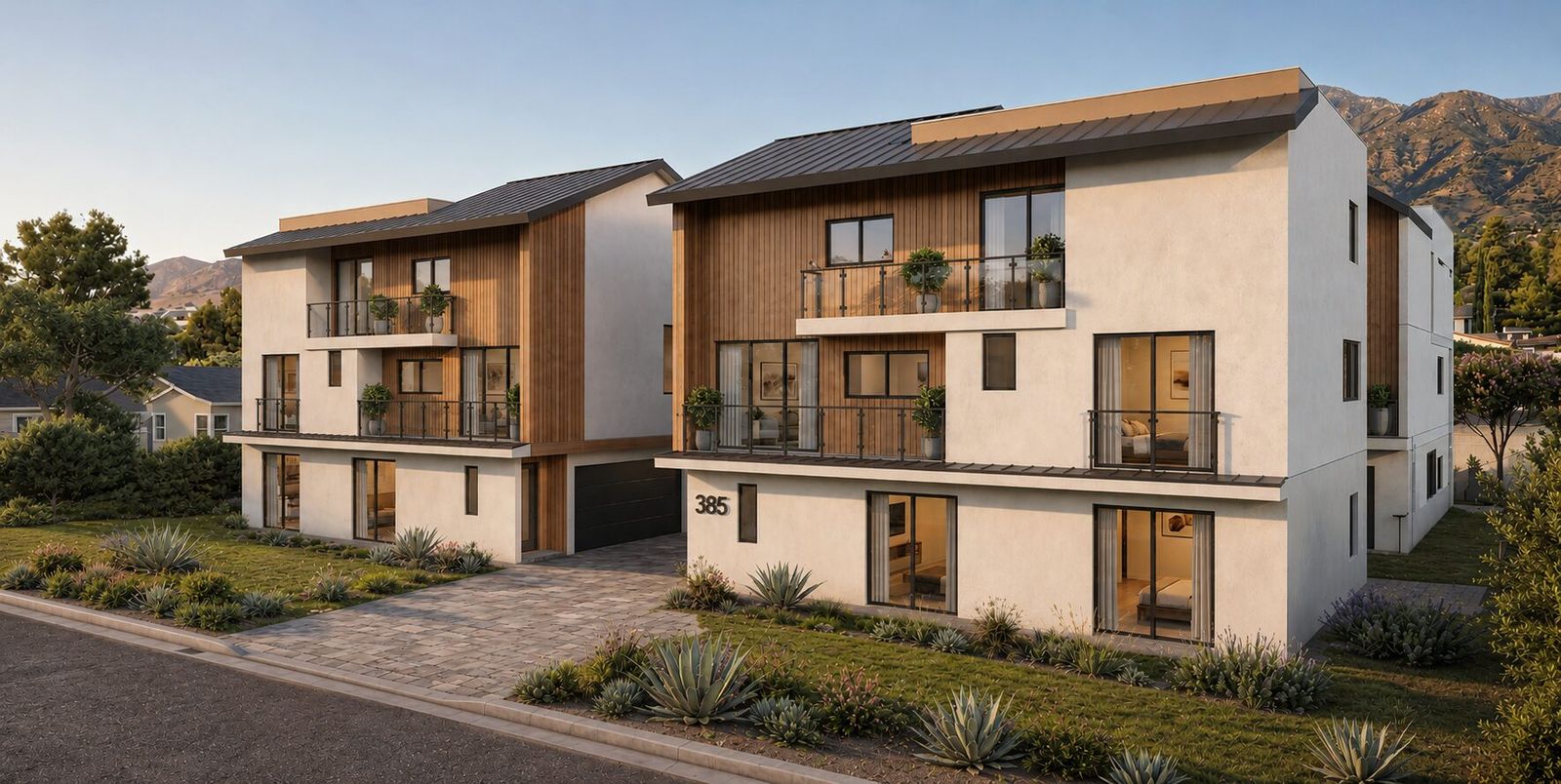
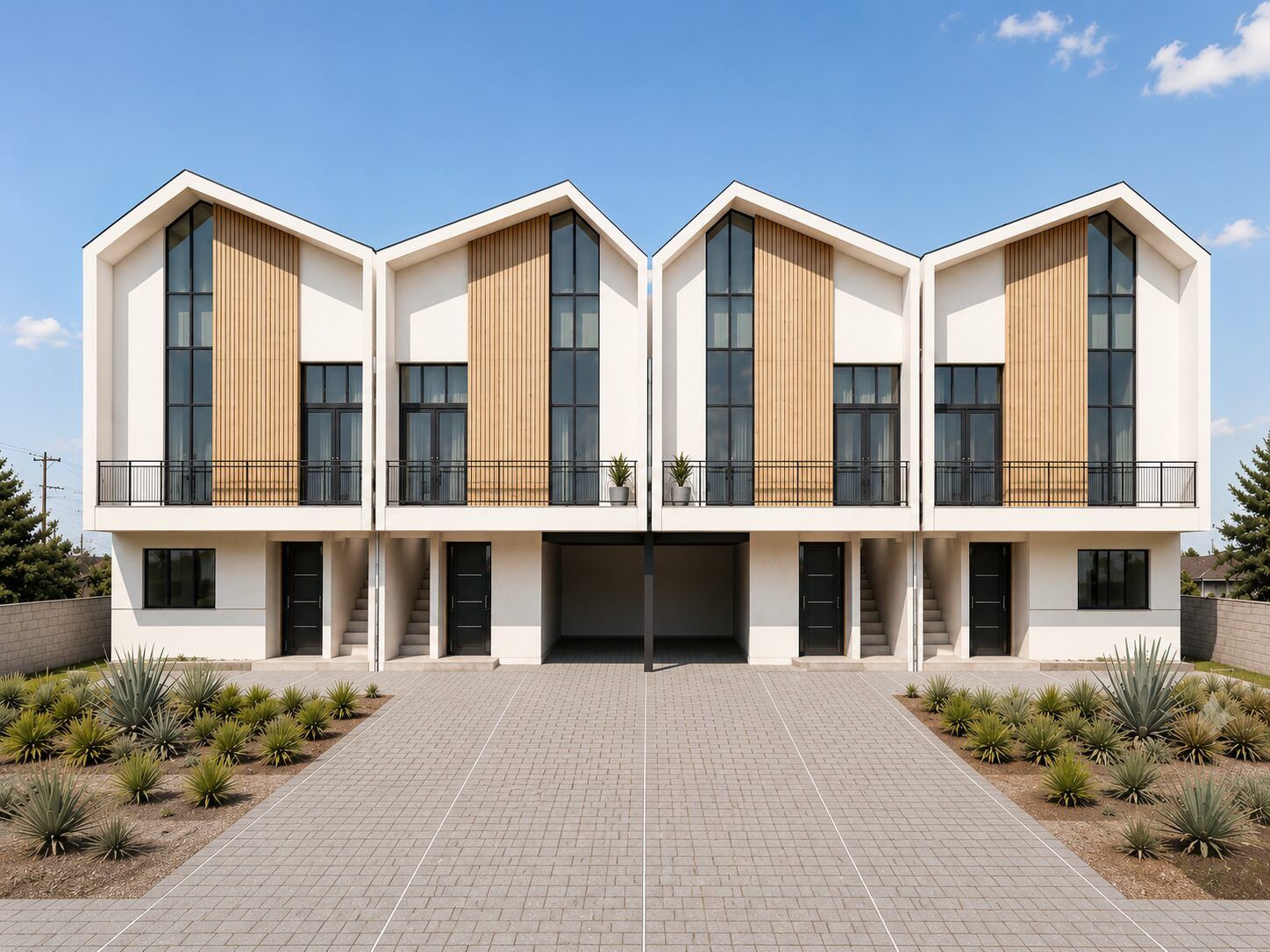
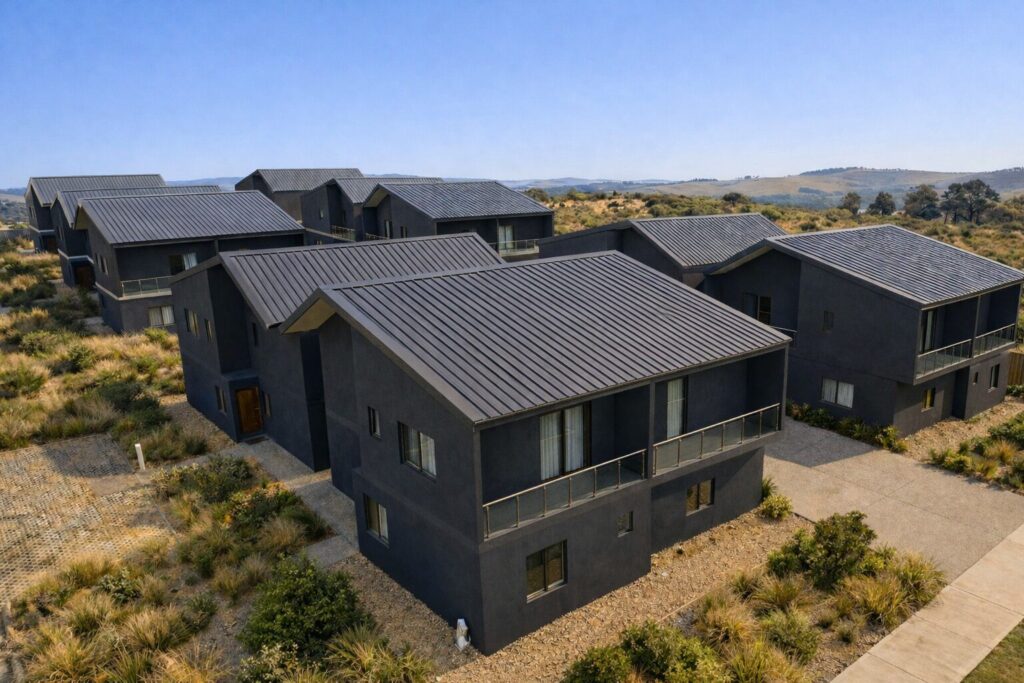
The question we ask first isn’t how big an ADU can be. It’s what the whole lot can hold. Our Foothill Residence stacks a home and a second household on one lot: a 2-bed unit with a garage on the ground floor and the residence above. At Mariposa Complex in Altadena, a post-fire rebuild under SB 1123, each of three homes has an attached ground-floor ADU.
If your lot can take more than an ADU, start with SB 684 and SB 1123.
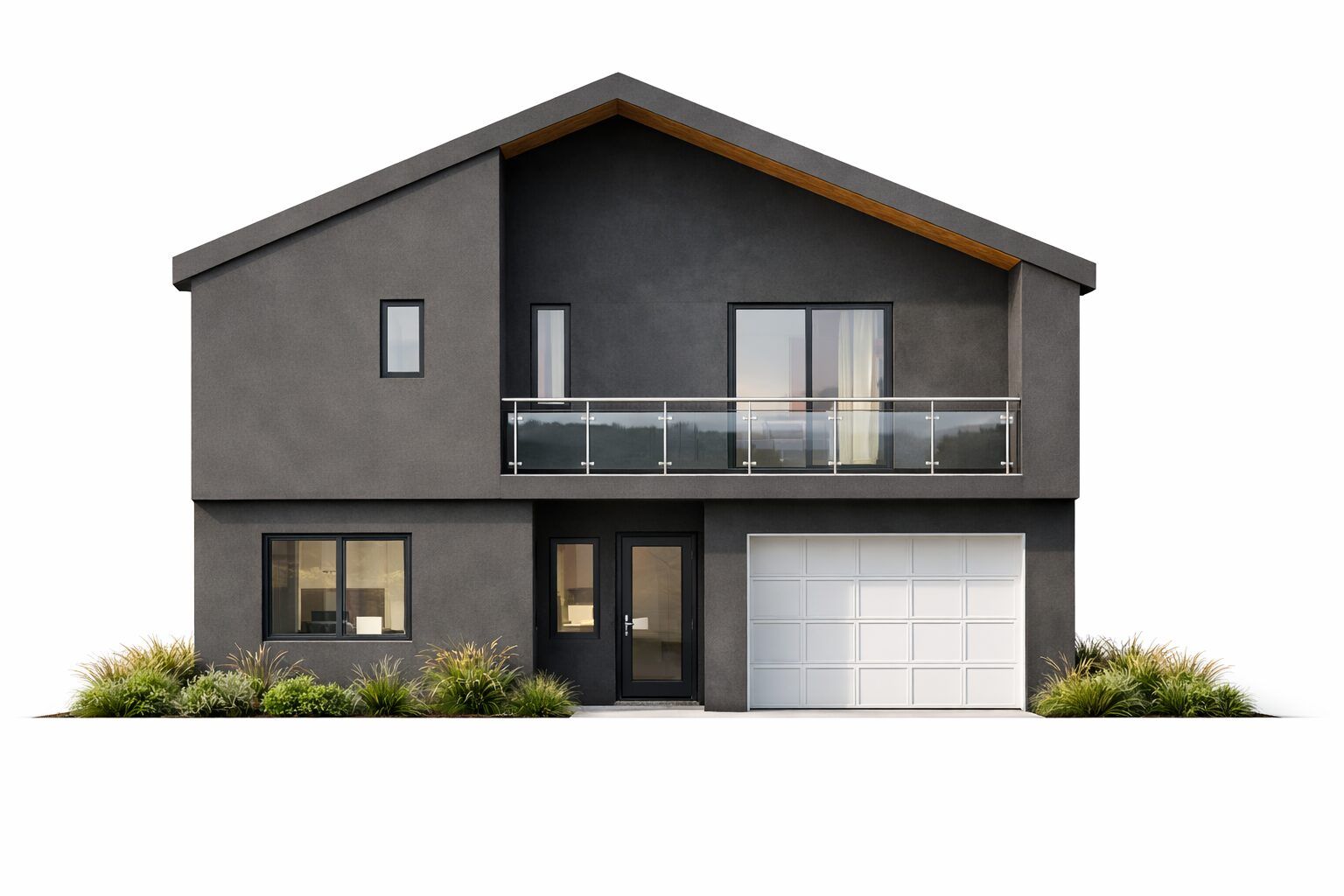
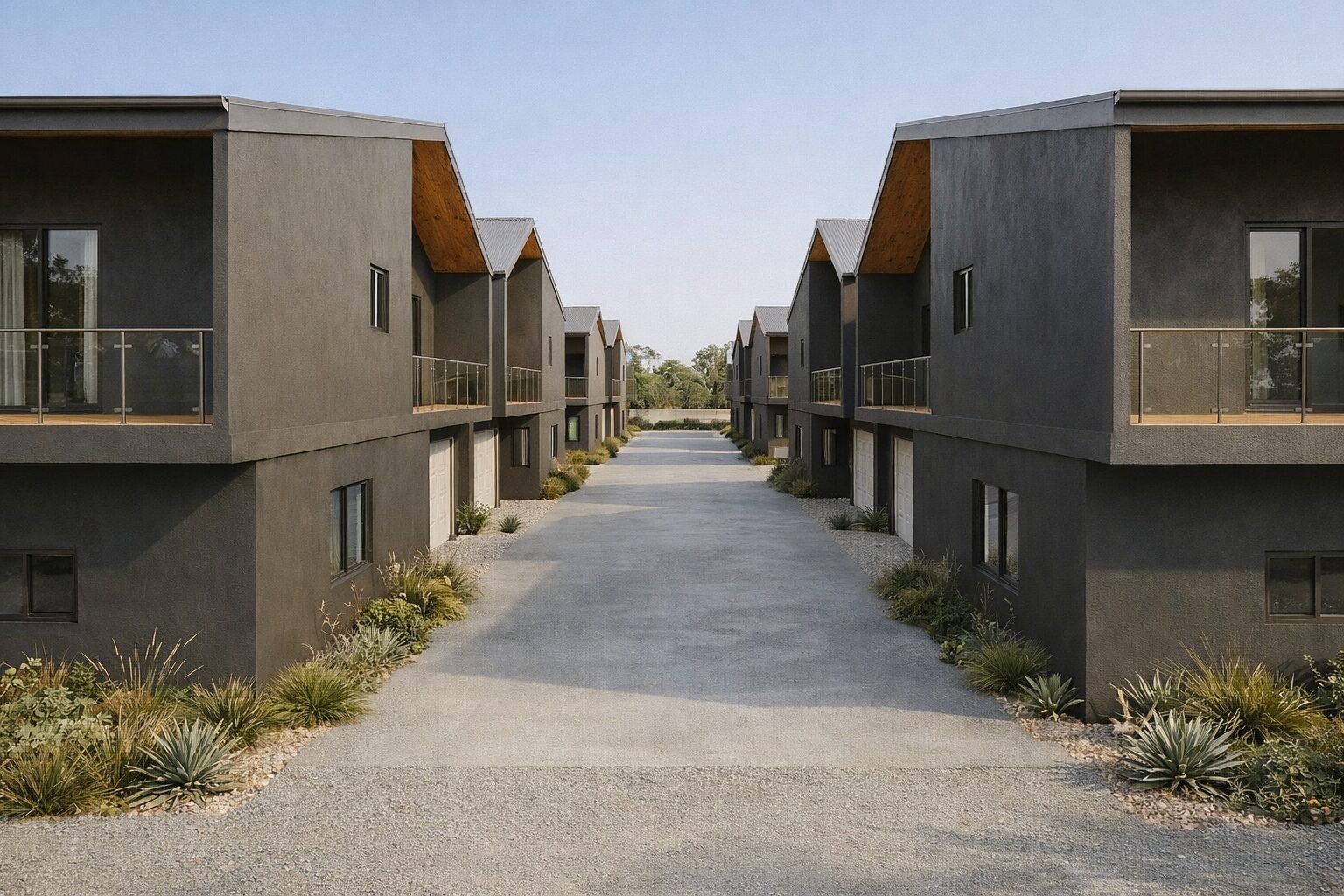
A home and a second household, stacked on one lot.
Have a lot in mind?
Send us the address and we’ll tell you what it can hold. Book a free consultation → · Follow @ydsarch on Instagram