Updated October 2026
An ADU is a full second home on your lot, with its own kitchen, bath and entry. You can rent it, house family in it, or work from it. A few rules decide which.
The short version
- Long-term rental is the most common use. Cities can require rentals of 30 days or longer.
- No owner-occupancy rule for ADUs. AB 976 made that ban permanent from January 1, 2024. You can rent both the house and the ADU.
- A JADU (up to 500 sf, inside the main house) is different. If it shares a bathroom with the house, an owner must live on the property.
- You can’t sell an ADU separately unless your city has opted into AB 1033.
Common uses
- Rental income. Rent helps carry the mortgage. FHA lenders can count up to 75% of an existing ADU’s estimated rent toward a buyer’s income.
- Family. Adult children, parents, or a caregiver close by but with their own door.
- Aging in place. Build a single-level unit, move into it, and rent or hand over the main house.
- Work. A studio or office with a real separation from home. Check your city’s home-occupation rules if clients visit.
- Guests. Fine for visitors. Paid stays under 30 days may be barred by your city.
What to watch out for
- Plan for the hardest use. A unit designed for rent works for family. A home office often can’t become a legal rental without a kitchen and egress.
- Rent control. Some ADUs fall under local rent rules. Check before you set rent.
- Permits. Use of any kind starts with a permitted unit. See our legalization guide.
How we use it
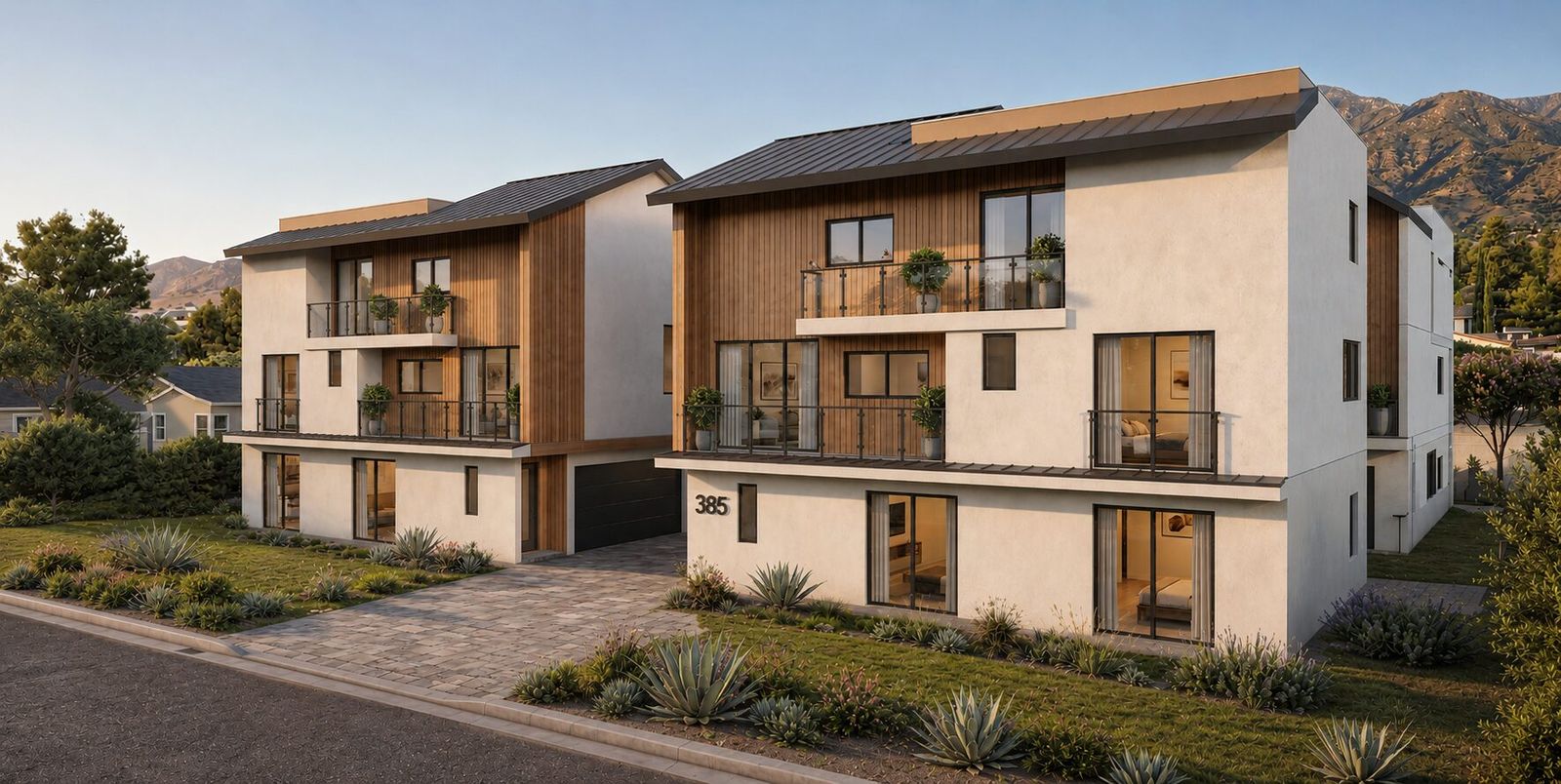
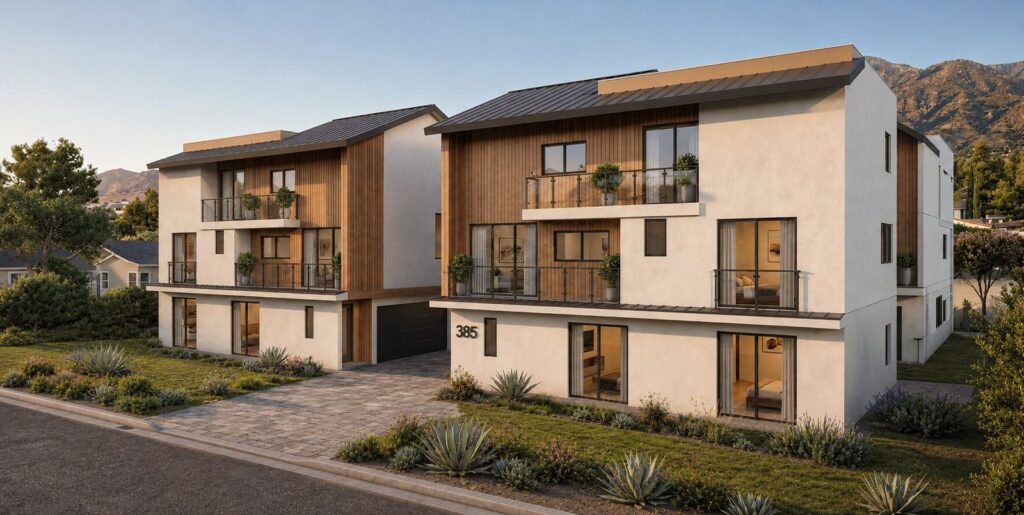
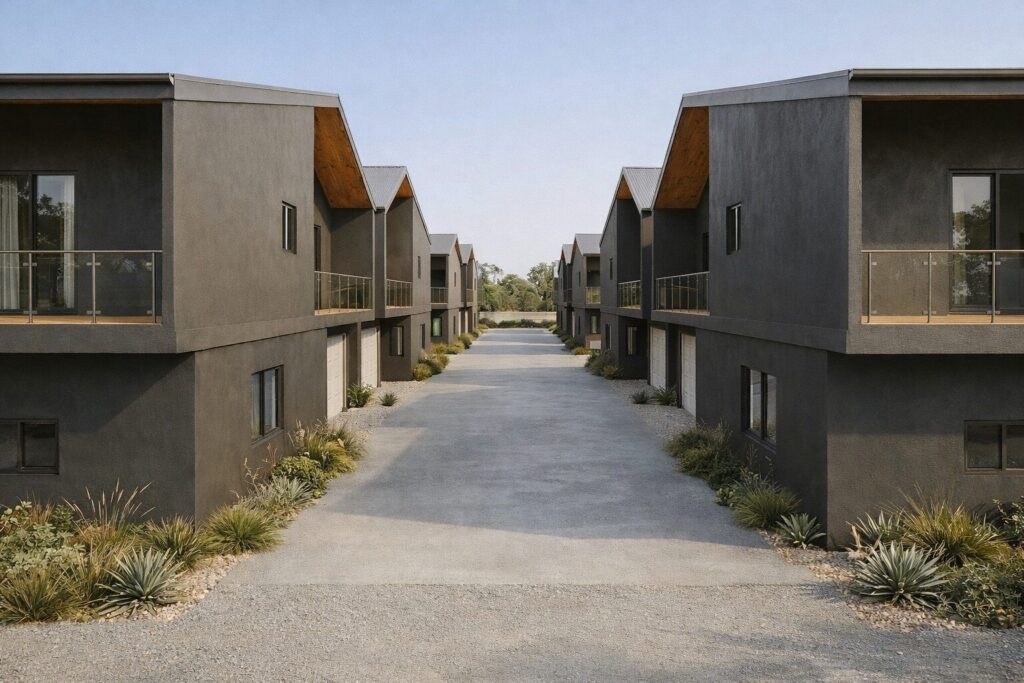
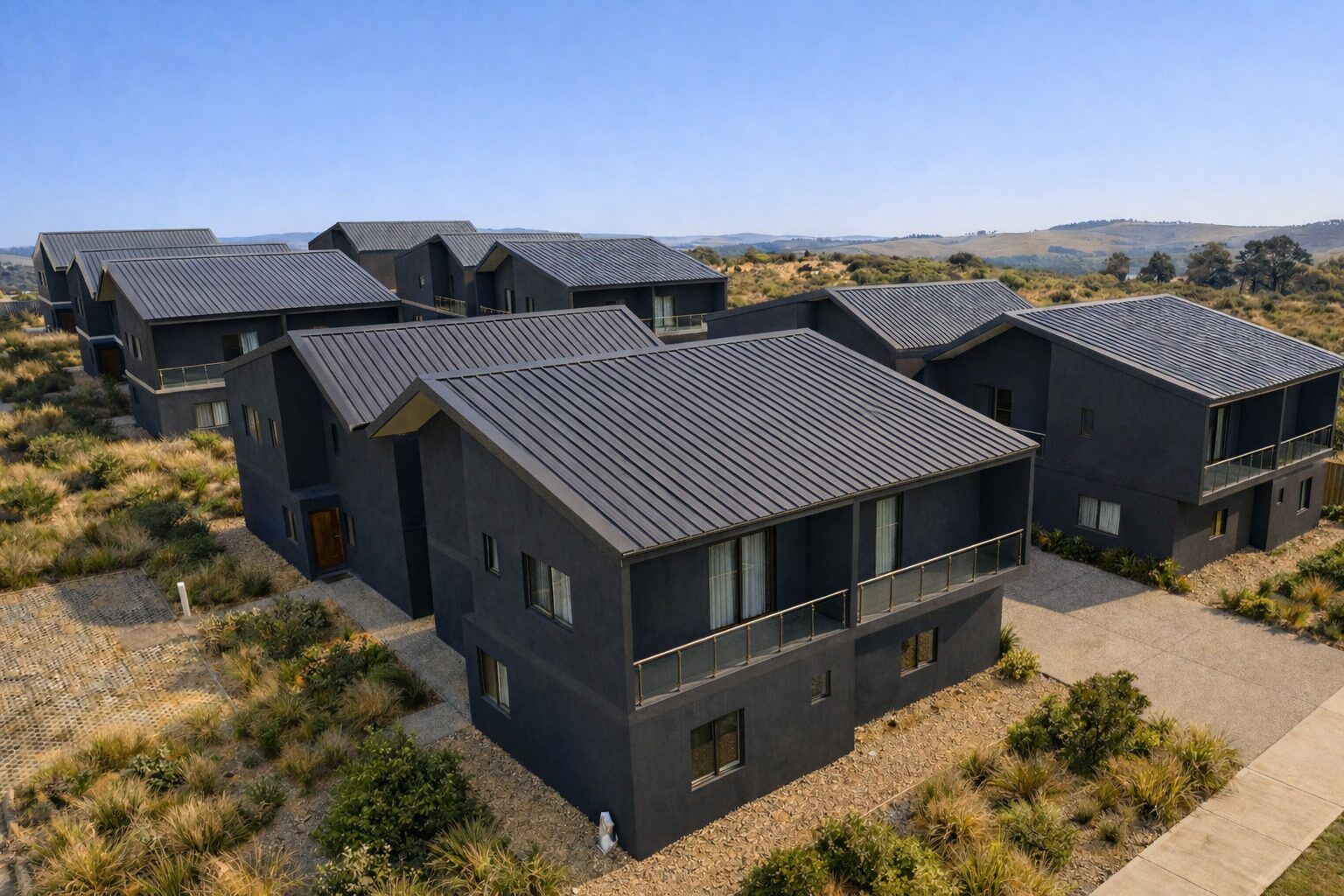
Two households on one lot is the idea behind Foothill Residence: a 2-bed unit with a garage on the ground floor and the residence above. At Beaver Live Work in San Bernardino, a long gable home holds a work studio. If your lot can take more than two homes, see SB 684 / SB 1123.
Sources: Burke, Williams & Sorensen on the 2023 ADU laws, HCD ADU page.
From our portfolio
A home and a second household, stacked on one lot.
Have a lot in mind?
Send us the address and we’ll tell you what it can hold. Book a free consultation → · Follow @ydsarch on Instagram