Updated October 2026
California cities can’t require you to live on the property to build or rent an ADU. AB 976 made that permanent on January 1, 2024. In 2026, AB 1154 narrowed the one owner-occupancy rule left, for JADUs.
The short version
- AB 976 was signed October 11, 2023 and took effect January 1, 2024.
- It made permanent the ban on owner-occupancy rules for ADUs, which was set to expire January 1, 2025.
- JADUs: since January 1, 2026 (AB 1154), the owner must live on site only if the JADU shares a bathroom with the main house.
- JADUs can’t be rented for less than 30 days (AB 1154).
What it means for you
An ADU is now a plain rental asset. You can build one on a property you rent out, own it through an entity, and rent both the main house and the ADU long-term. Landlords and investors can add units the same way homeowners do.
What hasn’t changed: you still can’t sell the ADU on its own, unless your city has opted into AB 1033’s condo option. And cities can still regulate short-term rentals.
What to watch out for
- JADU bathrooms. If you want a JADU with no owner-occupancy rule, give it its own bathroom.
- Local codes. Some city ordinances still carry old language. HCD continues to send findings letters to cities whose ADU rules don’t match state law. State law controls.
- Older deed restrictions. Read your title report for restrictions recorded under past local rules, and ask the city how it treats them.
How we use it
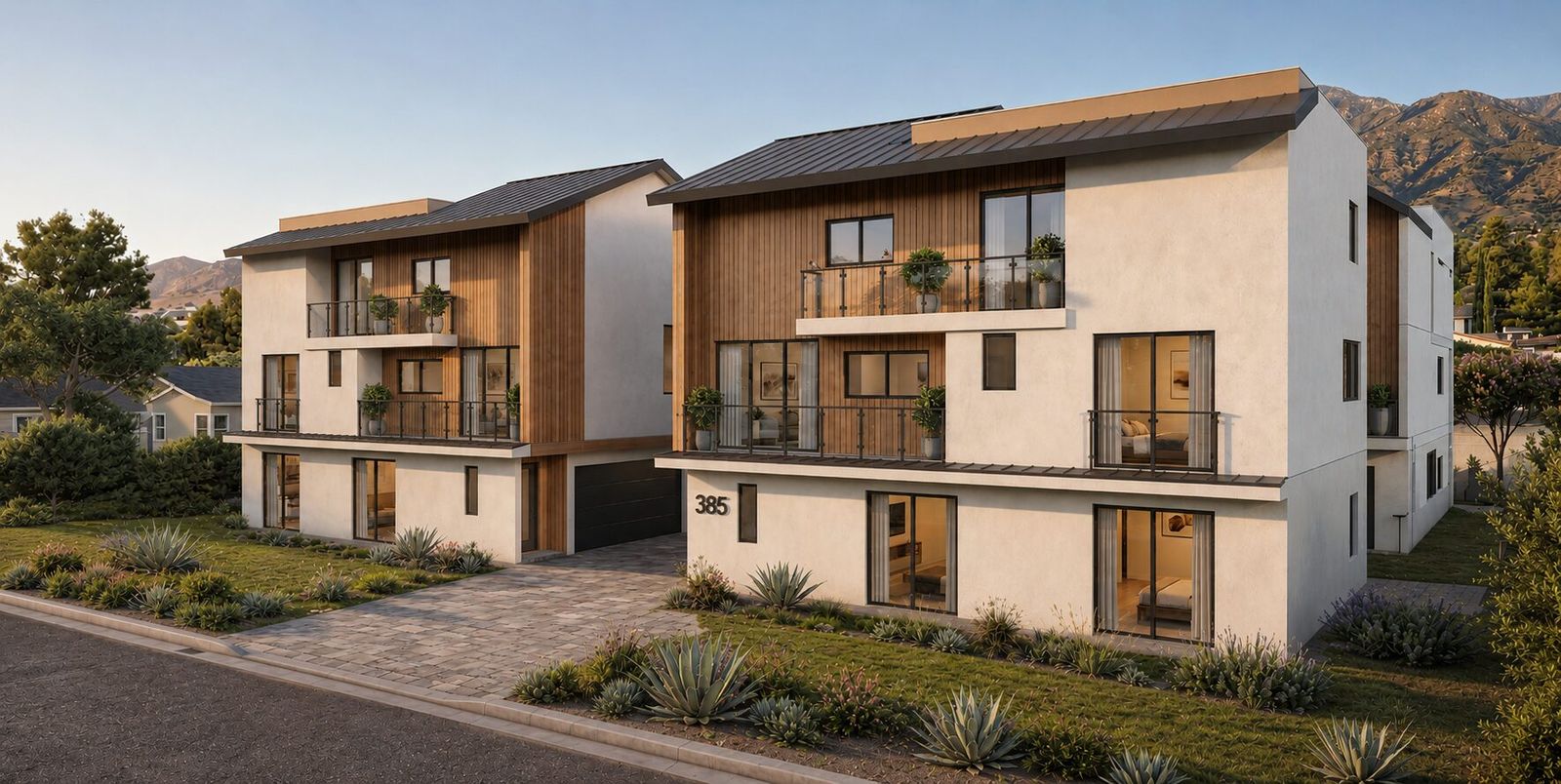
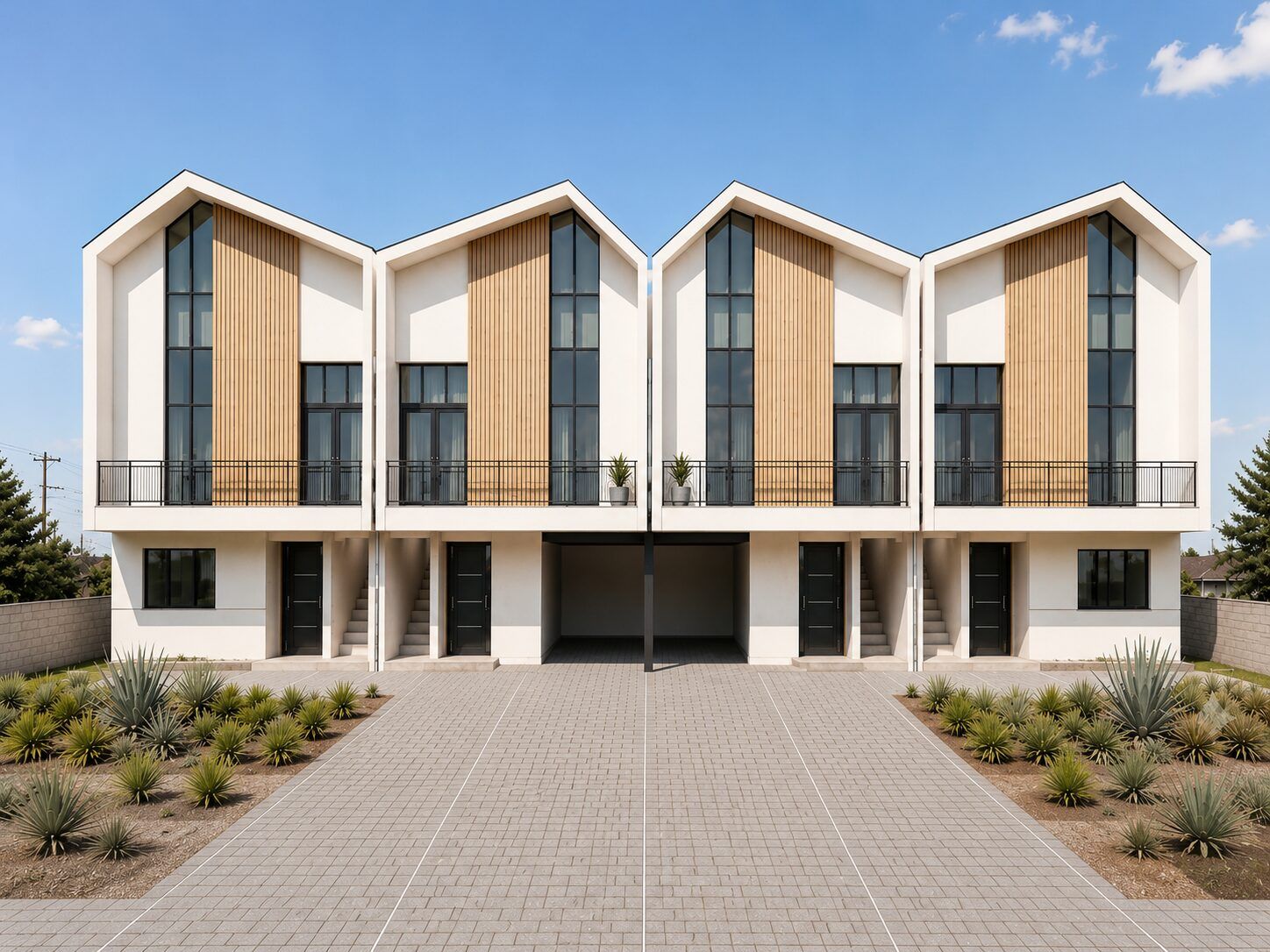
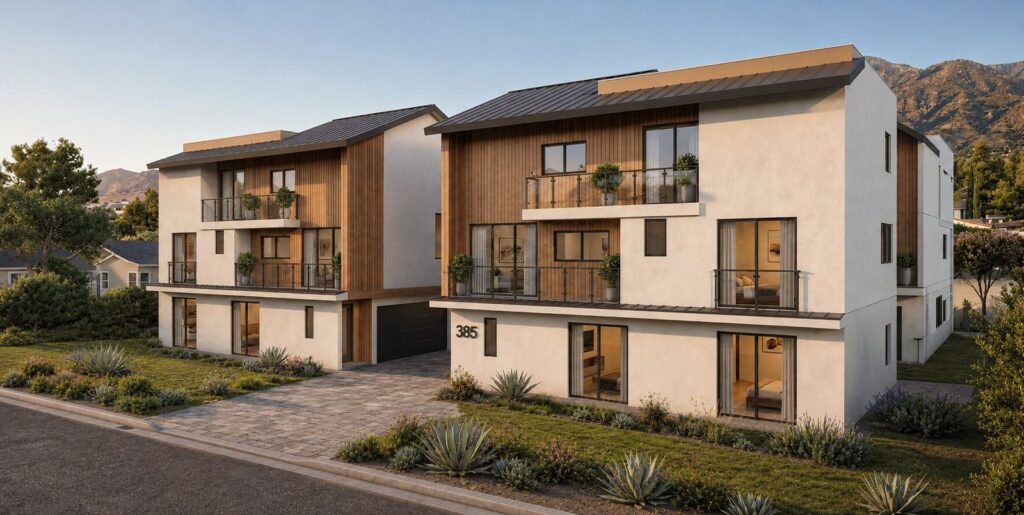
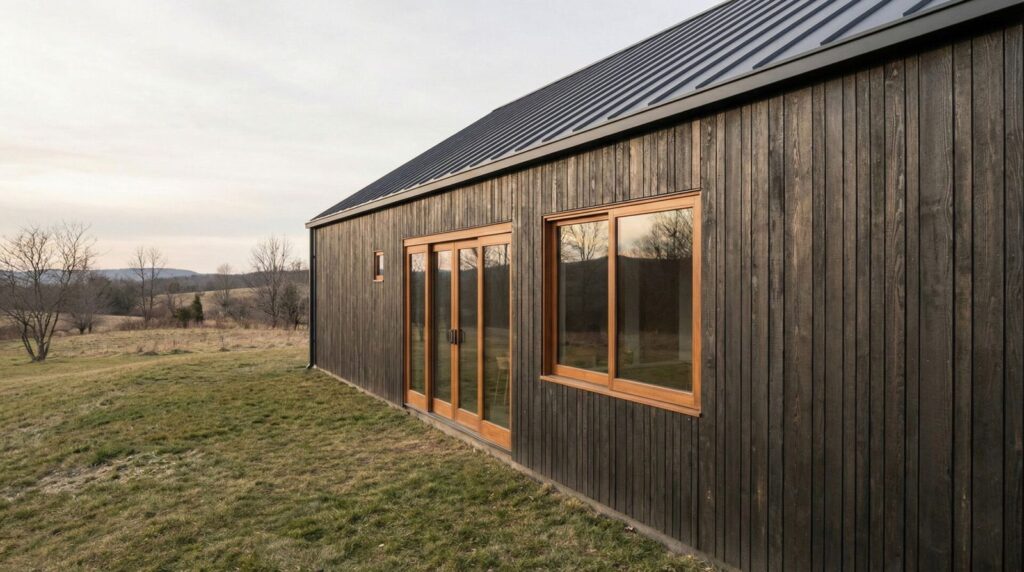
Without the owner-occupancy rule, the question becomes what the whole lot can hold. Our Foothill Residence stacks a home and a second household on one lot: a 2-bed unit with a garage on the ground floor and the residence above. Beaver Live Work in San Bernardino puts a home and a work studio under one long gable.
If you’d rather build homes you can sell on their own land, see SB 684 and SB 1123.
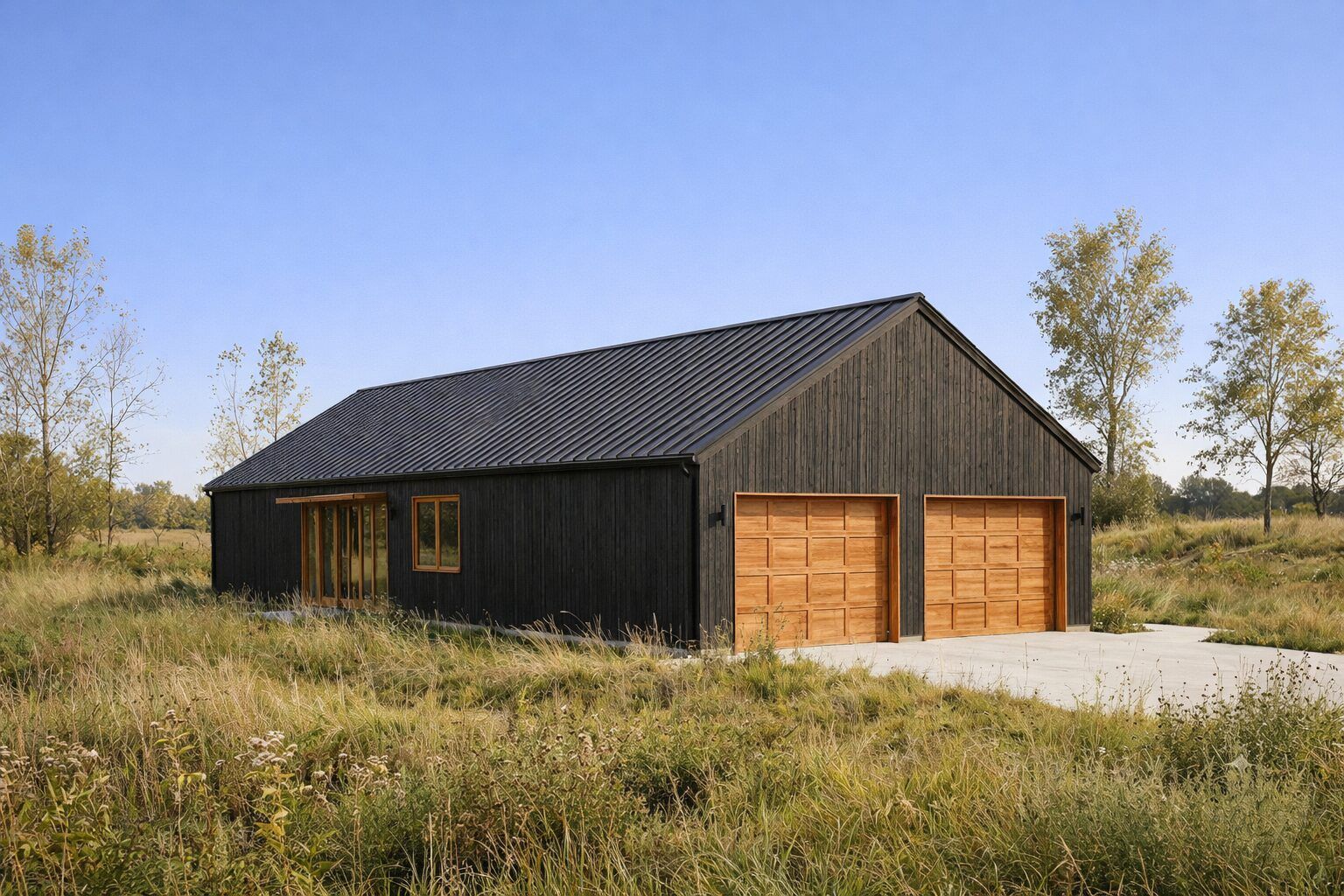
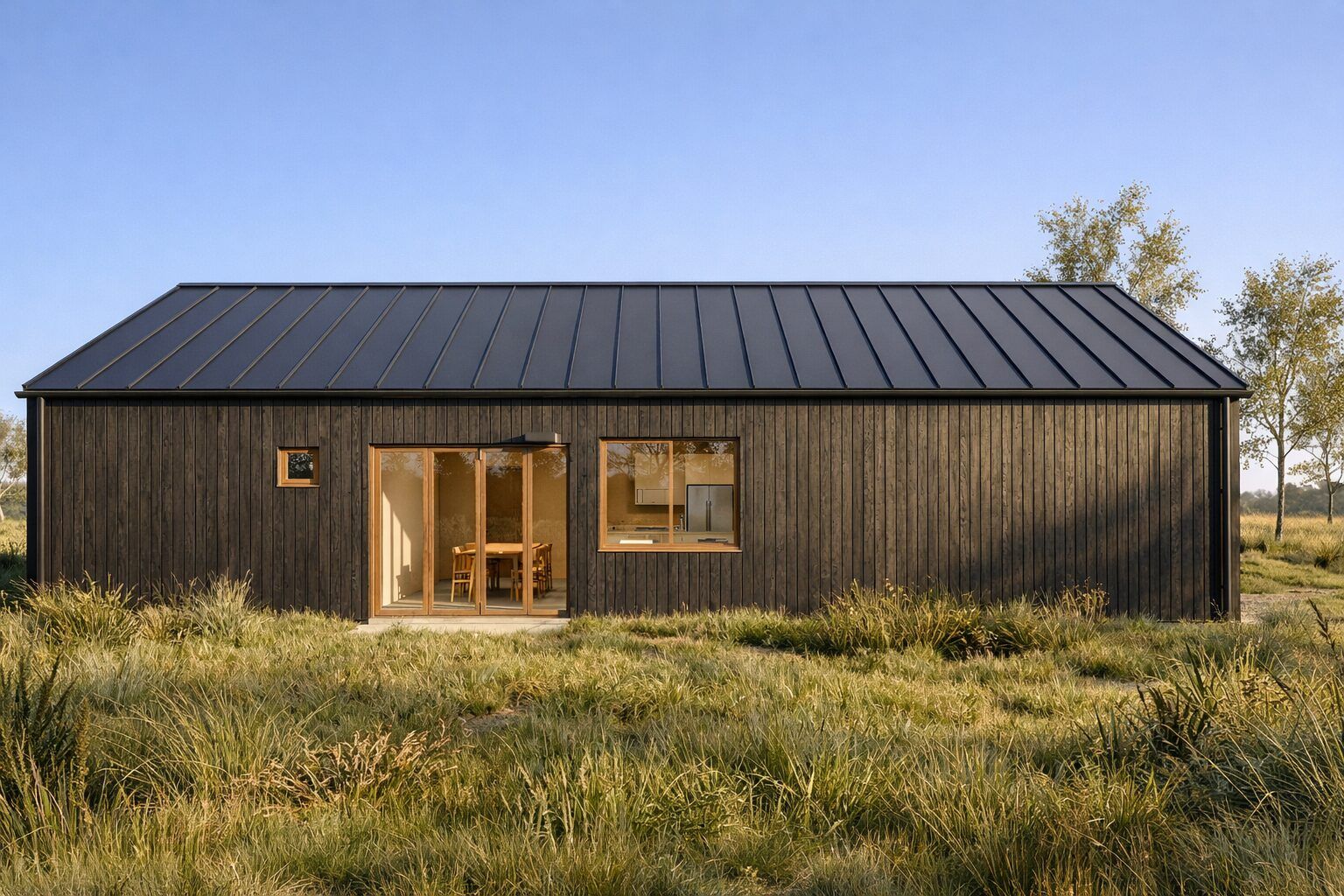
A long, quiet gable for living and working.
Have a lot in mind?
Send us the address and we’ll tell you what it can hold. Book a free consultation → · Follow @ydsarch on Instagram